🔹Unmanned aerial vehicle (UAV) systems in Algeria: A scientific analysis of the challenges and future prospects
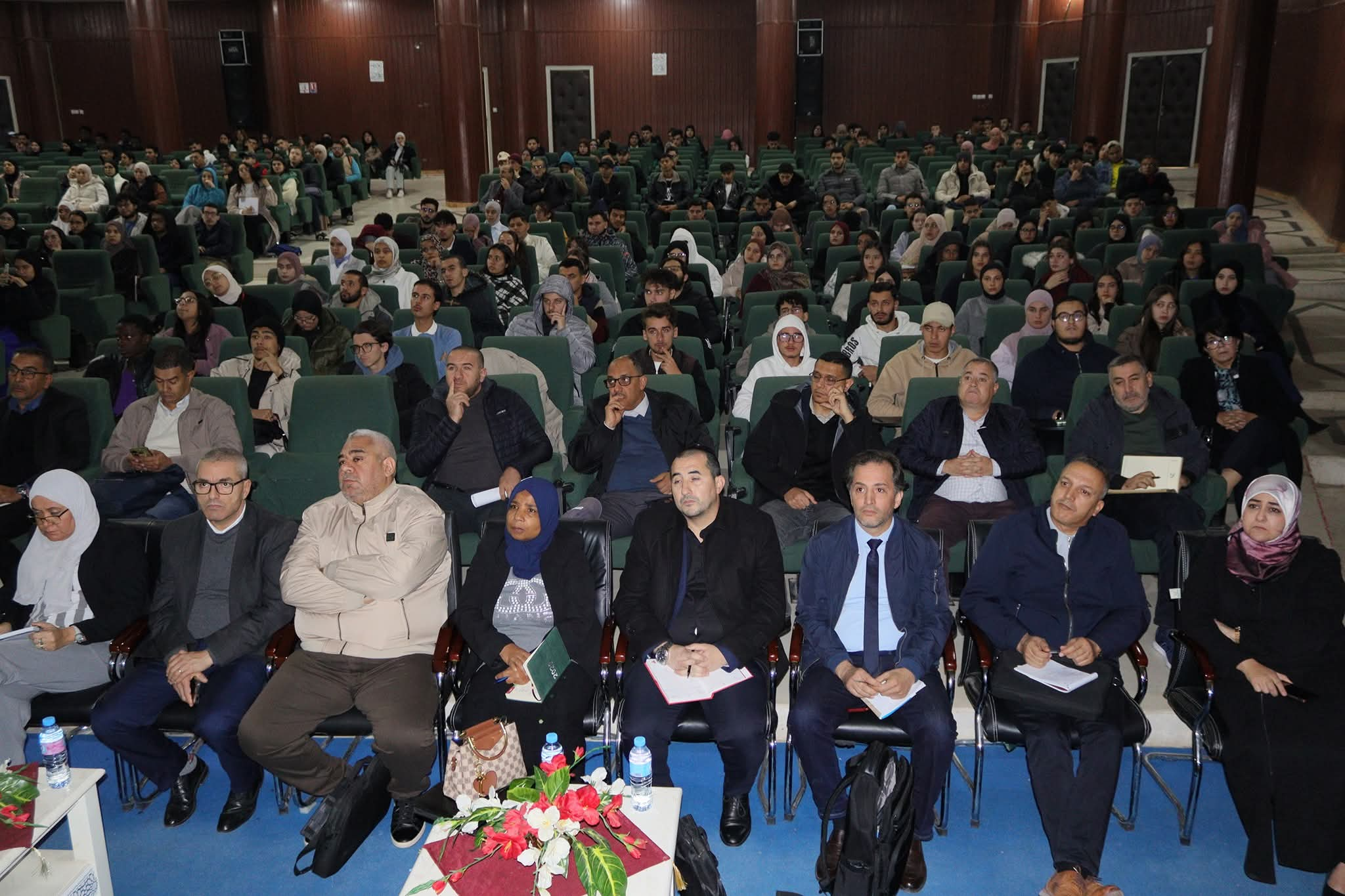
On Monday, November 24, 2025, the Institute of Aviation and Space Studies at the University of Blida 1, in coordination with the National Center for Airborne Unmanned Aircraft Systems, organized a scientific day entitled: “Airborne Unmanned Aircraft Systems in Algeria: Challenges and Prospects”, at the university’s main conference hall.
This scientific event was attended by representatives of various national bodies active in the aviation sector, such as: the National Center for Airborne Unmanned Aircraft Systems of the Ministry of National Defense, the National Civil Aviation Agency, the National Air Navigation Corporation, the National Meteorological Office, Tassili Airlines, the Research Center for Industrial Technologies, in addition to university professors and executives and a group of students.
In his opening remarks, the University Director, Professor Bezina Mohamed, emphasized the strategic importance of the topic of unmanned aerial vehicle (UAV) systems, considering it a promising field within the paths of scientific research and innovation, and a key component in technological development systems. He also encouraged students to benefit from the scientific presentations, which highlight the current challenges and future prospects that this field presents at the national level.*
For her part, the Director of the Institute of Aviation and Space Studies, Professor Benkhedda Amina, confirmed that organizing this scientific day is part of a series of activities that the Institute’s administration outlines periodically, with the aim of enhancing the academic and applied training of its students, and enabling them to become familiar with the latest scientific developments in the field of aviation, which contributes to preparing qualified competencies to keep pace with rapid technological transformations.
The day's scientific program included a series of lectures covering various organizational and technical topics, including:
▪️ The national and international regulatory framework for unmanned aircraft systems and requirements for testing, construction and application.
▪️Integration of small aircraft into Algerian airspace: challenges and prospects.
▪️Future visions for the development of unmanned aerial vehicle (UAV) systems in Algeria.
The event concluded with a roundtable discussion dedicated to presenting the most important recommendations, followed by an open discussion session with participants on mechanisms for developing training, promoting local technological innovation, and strengthening cooperation between the university and institutional partners in this field.