

The University of Blida 1 hosted the activities of the national seminar entitled: “Oxidative Stress in a Changing World: Health, Environment, and Multidisciplinary Innovations.” The event brought together a distinguished group of professors, researchers, and students from various university institutions, creating a vibrant scientific atmosphere that reflects the dynamism of research within the university.
Official Opening and Keynote Speeches
The event was inaugurated by Dr. Ait Saadi Mohamed Hocine, Vice-Rector in charge of Development and Foresight. In his opening remarks, he welcomed the attendees and emphasized the vital importance of such scientific gatherings in:
-
Promoting academic research and fostering a culture of innovation.
-
Addressing critical health and environmental issues.
-
Highlighting the university’s pivotal role in keeping pace with scientific shifts through multidisciplinary approaches.
Professor Saadi Leila, the event coordinator, also delivered a speech underlining the seminar’s role as a scientific forum for exchanging knowledge. She noted that oxidative stress is a pressing contemporary issue that requires:
-
Developing advanced research mechanisms.
-
Integrating Information Technology (IT), such as Artificial Intelligence (AI), into the fields of health and environment.
Community and Student Engagement
The opening ceremony was attended by the Faculty of Nature and Life Sciences community, led by the Dean of the Faculty, along with numerous researchers and media representatives. This collective participation highlights the shared commitment to supporting academic activity.
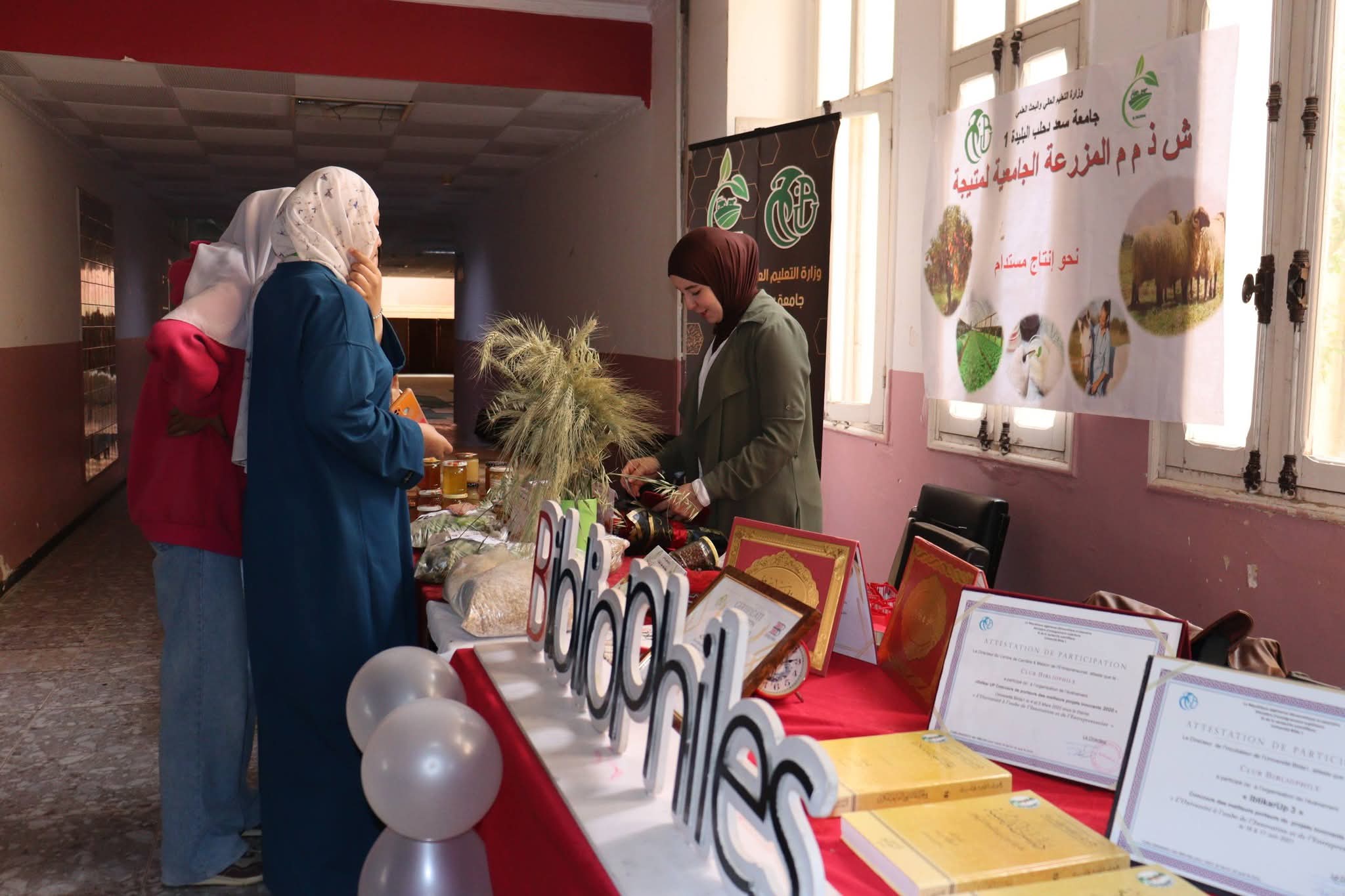
The seminar was further distinguished by the active participation of the Faculty’s scientific clubs. Their involvement through scientific presentations and side activities added an interactive dimension, encouraging student creativity and engagement in university life.
Program and Objectives
The seminar program features a series of lectures and scientific sessions covering various aspects of oxidative stress, including:
-
Molecular mechanisms and biotechnological applications.
-
Preventive measures and the relationship between oxidative stress, nutrition, and health.
-
Scientific poster presentations showcasing the latest research findings.
Expected Outcomes
The proceedings are expected to culminate in significant scientific recommendations regarding food security. These outcomes aim to advance research in this vital field and reinforce the university’s position as a center for scientific excellence and community service.